Leveraging CNC Technology in the Machining of Pneumatic Valves
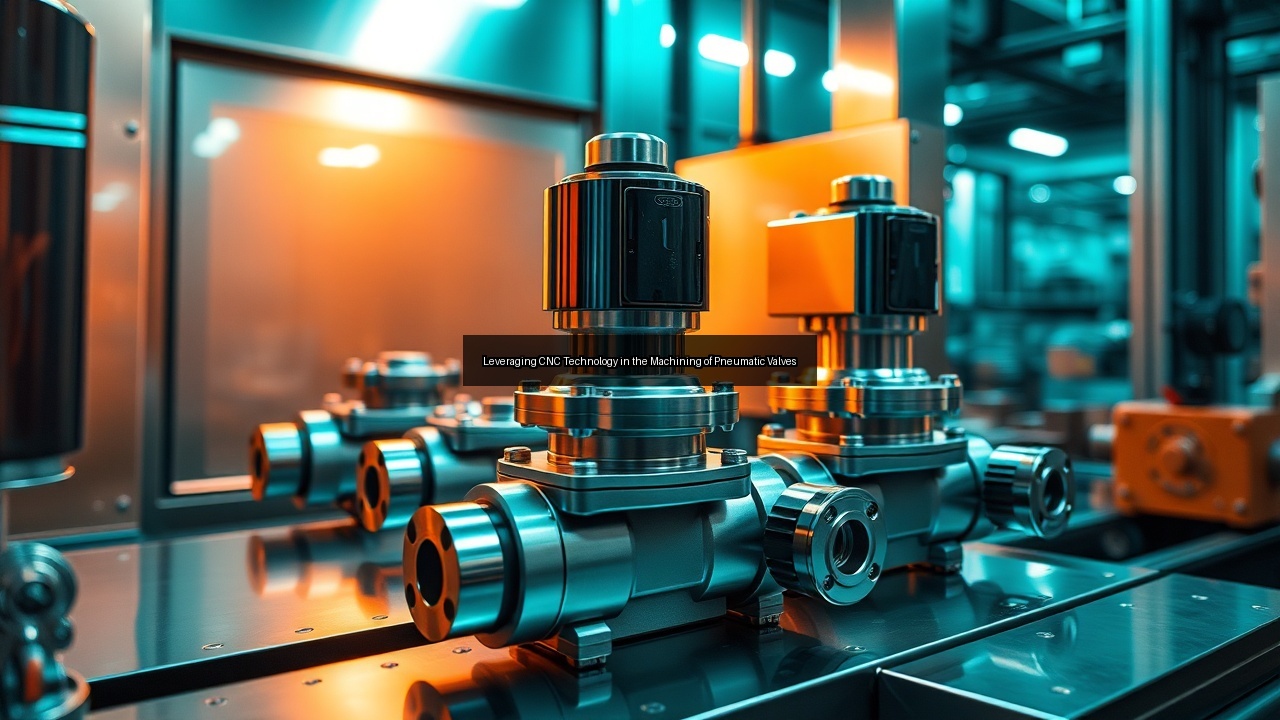
Understanding CNC Technology in Pneumatic Valve Machining
Overview of CNC Technology
CNC technology, or Computer Numerical Control, revolutionizes the manufacturing landscape, particularly in pneumatic valve machining. CNC machines utilize computer systems to control tools and equipment, allowing for precise manufacturing processes. This technology eliminates human error, enhances consistency, and significantly reduces production times. By automating machining operations, CNC allows manufacturers to produce complex parts with intricate geometries that traditional methods struggle to achieve. In the context of pneumatic valves, which require precise dimensions and tolerances for effective functionality, CNC technology proves indispensable. Its ability to execute complex designs accurately positions CNC as the backbone of modern valve manufacturing.
Benefits of CNC in Manufacturing
The integration of CNC technology into manufacturing processes offers a multitude of advantages. One primary benefit is the heightened precision it affords. For pneumatic valves, even the slightest deviation in dimensions can lead to performance issues, making precision paramount. CNC machines maintain high levels of accuracy, which directly translates to better-performing valves. Additionally, CNC technology enhances efficiency. Manufacturers can run machines continuously, significantly increasing output without compromising quality. Furthermore, the flexibility of CNC allows for rapid adjustments in production runs, accommodating different sizes and designs of pneumatic control valves without extensive downtime. This adaptability helps manufacturers meet market demands swiftly and efficiently.
Comparison with Traditional Machining Methods
Comparing CNC machining with traditional methods highlights significant differences in performance, quality, and efficiency. Traditional machining techniques often rely on manual input, making them more susceptible to human error. While skilled machinists can produce high-quality products, the inconsistency inherent in manual processes can lead to varying product quality. In contrast, CNC machining delivers uniformity across production runs. This consistency is crucial in the pneumatic valve manufacturing sector, where every valve must perform reliably under varying pressure conditions. Moreover, traditional methods typically involve longer setup times and slower production rates, while CNC technology allows for rapid prototyping and production. This shift from traditional to CNC methods not only enhances productivity but also improves the overall quality of pneumatic valves.
Key Processes in Machining Pneumatic Valves
Material Selection for Pneumatic Valves
Choosing the right materials for pneumatic valves is critical to ensuring their performance and longevity. Common materials include brass, stainless steel, and aluminum, each with unique properties that suit different applications. Brass offers excellent machinability and corrosion resistance, making it ideal for many pneumatic systems. Stainless steel, while more challenging to machine, provides superior strength and durability, essential for high-pressure applications. Aluminum is lightweight and cost-effective, often used in less demanding environments. The selection process involves evaluating factors such as pressure ratings, environmental conditions, and compatibility with the fluids or gases the valves will control. Proper material selection not only enhances the functionality of pneumatic valves but also impacts the efficiency of the machining process itself.
Precision Machining Techniques
Precision machining techniques are at the forefront of pneumatic valve manufacturing, ensuring that each valve meets stringent specifications. Techniques such as milling, turning, and grinding play crucial roles in shaping the various components of pneumatic valves. CNC milling allows for the creation of complex geometries with high accuracy, essential for components that require exact tolerances. Turning operations, typically used for cylindrical parts, ensure smooth surfaces that minimize friction in valve operation. Additionally, grinding processes polish surfaces to achieve the desired finish, further enhancing valve performance. Employing these precision techniques not only guarantees the functionality of pneumatic valves but also extends their lifespan by reducing wear and tear during operation.
Quality Control in Valve Manufacturing
Quality control is a non-negotiable aspect of pneumatic valve manufacturing. Manufacturers must implement rigorous testing protocols to ensure that each valve meets performance standards before reaching the market. This typically involves dimensional inspections using coordinate measuring machines (CMM), pressure testing, and leak testing. By simulating operational conditions, manufacturers can identify potential failures and address them proactively. Quality control processes also include compliance with industry standards, such as ISO certifications, which further validate the reliability and safety of the products. Maintaining stringent quality control not only safeguards the performance of pneumatic valves but also builds trust with customers and enhances the reputation of manufacturers in the competitive market.
Applications of Pneumatic Valves in Various Industries
Role in Pneumatic Systems
Pneumatic valves serve as essential components in pneumatic systems, controlling the flow and pressure of gases within these systems. Industries such as manufacturing, automotive, and aerospace rely heavily on pneumatic systems for automation and control. In these applications, pneumatic valves regulate the power and direction of compressed air, ensuring that machinery operates efficiently. For instance, in manufacturing plants, pneumatic actuators driven by these valves can control the movement of robotic arms, sifting products, or even assembling parts. The reliability of pneumatic valves directly impacts the efficiency of these systems, proving their significance in maintaining smooth operations across various industries.
Integration with Hydraulic Valves
The integration of pneumatic valves with hydraulic valves showcases the versatility of fluid control systems. While pneumatic valves manage the flow of gases, hydraulic valves control liquids, often under high pressure. Many industrial applications require a combination of both systems to optimize performance. For example, in construction machinery, pneumatic valves might control air-powered tools, while hydraulic valves manage the lifting and movement of heavy loads. Effective coordination between these two types of valves enhances overall system efficiency, ensuring that operations run smoothly. Understanding the interplay between pneumatic and hydraulic systems is crucial for engineers and manufacturers aiming to design sophisticated machinery.
Use in Control Valve Mechanisms
Pneumatic control valves play a pivotal role in various automated processes, acting as the brain of fluid management systems. These valves regulate flow rates, pressure levels, and directions based on system requirements. They facilitate precise control, making them indispensable in applications ranging from chemical processing to food and beverage manufacture. By adjusting the flow of gases or liquids, pneumatic control valves ensure that processes remain within specified parameters, promoting efficiency and safety. The adaptability of these valves allows them to be tailored for specific needs, enhancing their utility across multiple sectors. Engineers often prioritize the integration of high-quality pneumatic control valves to achieve optimal system functionality.
Choosing the Right Manufacturer for Pneumatic Valve Machining
Factors to Consider in Selecting a Manufacturer
Selecting the right manufacturer for pneumatic valve machining requires careful consideration of several factors. First, evaluate the manufacturer’s experience and expertise in the field. Companies with a proven track record in machining pneumatic valves often possess the necessary knowledge to meet specific demands. Additionally, assess their facility capabilities, including the types of CNC machines they employ and their quality control measures. The ability to produce valves with tight tolerances is crucial in this industry. Furthermore, consider customer service and support; a responsive manufacturer can address any concerns that arise during production. Finally, review customer testimonials and case studies to gauge the manufacturer's reputation and reliability in delivering high-quality products.
Case Study: Hogge Precision Parts
Hogge Precision Parts exemplifies a manufacturer dedicated to quality pneumatic valve machining. With years of experience in the industry, they have established a reputation for precision and reliability. Utilizing advanced CNC technology, Hogge Precision Parts produces a wide range of pneumatic control valves tailored to meet various industrial needs. Their commitment to quality control ensures that each valve undergoes rigorous testing, maintaining high standards throughout the manufacturing process. Customer feedback highlights their responsiveness and willingness to collaborate, making them a preferred partner for businesses seeking top-notch pneumatic valves. This case study illustrates the importance of partnering with skilled manufacturers in achieving optimal performance in pneumatic systems.
Future Trends in Pneumatic Valve Manufacturing
The landscape of pneumatic valve manufacturing is evolving rapidly, influenced by advancements in technology and changing industry demands. One notable trend is the increasing integration of smart technologies, allowing for enhanced automation and remote monitoring of pneumatic systems. Manufacturers are adopting IoT capabilities, enabling real-time data collection and analysis to optimize valve performance and predict maintenance needs. Additionally, sustainability is becoming a focal point, with manufacturers exploring eco-friendly materials and processes to reduce waste and energy consumption. As industries continue to embrace automation, the demand for innovative pneumatic valves will grow, pushing manufacturers to stay ahead of trends and invest in research and development for future advancements.
See Also
- Understanding the Role of Pneumatic Control Valves in Modern Engineering
- Unlocking Efficiency in Pneumatic Valve Machining Techniques
- How to Choose the Right Pneumatic Valve Manufacturer for Your Needs
- Navigating the Challenges of Pneumatic Valve Machining in Factories
- Sustainable Practices in Pneumatic Valve Manufacturing and Machining