The Environmental Benefits of Using Compression Molding Techniques
Understanding Compression Molding Techniques
Overview of Compression Molding Processes
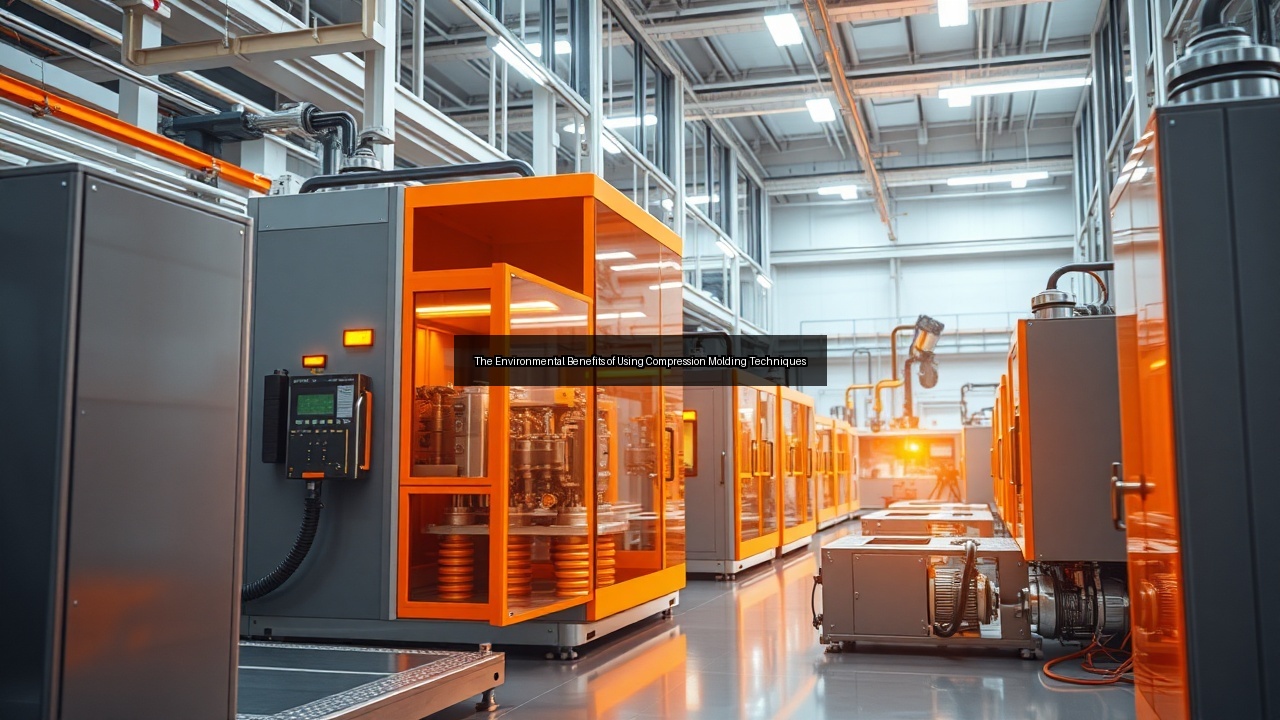
Compression molding serves as a vital fabrication technique in the manufacturing sector. This process involves placing a pre-measured amount of material, often a thermosetting plastic or rubber, into a heated mold. The mold then closes, applying pressure that causes the material to fill the cavity and take its shape. After curing, the mold opens, allowing the finished product to be ejected. This method offers versatility, catering to complex designs while ensuring consistent product quality. Compression molding is especially effective for producing large parts or items with intricate geometries, making it an ideal choice for various industries. Manufacturers favor this technique due to its efficiency and cost-effectiveness, particularly for high-volume production runs.
Comparison with Other Molding Techniques: Injection Molding vs. Compression Molding
While both compression and injection molding techniques serve similar purposes, they showcase distinct differences that influence their applicability. Injection molding involves injecting molten plastic into a mold cavity under high pressure, allowing for rapid production of intricately shaped parts. This method excels in producing small, detailed components with tight tolerances. Conversely, compression molding operates under lower pressure and is ideal for larger parts or applications requiring thicker materials. The choice between these two techniques often hinges on factors such as the complexity of the design, material type, and production volume. Manufacturers looking for a more straightforward process with less waste might opt for compression molding, especially when working with thermosetting plastics.
Key Components: The Role of Compression Molds
Compression molds play a crucial role in the compression molding process. These molds consist of two halves, typically made from hardened steel or aluminum, designed to withstand high pressures and temperatures. The design of compression molds directly impacts the final product's quality, surface finish, and dimensional accuracy. Features such as cooling channels, venting systems, and heating elements can be integrated into the mold design to enhance efficiency and streamline production. Proper maintenance of compression molds ensures longevity and reliability, reducing downtime in manufacturing environments. Manufacturers often invest in high-quality molds to guarantee optimal performance and minimize defects in the compression molded products.
Environmental Advantages of Compression Molding
Reduction of Material Waste in Manufacturing
Compression molding significantly reduces material waste compared to traditional manufacturing methods. The process utilizes pre-measured material, ensuring that only the necessary amount enters the mold. This precision minimizes excess plastic or rubber that would otherwise go to waste, addressing one of the critical challenges in the manufacturing sector. Furthermore, any scrap material generated during the process can often be recycled or reprocessed, enhancing sustainability efforts. By adopting compression molding services, manufacturers can contribute to a circular economy, where materials are repurposed and reused, reducing their overall environmental footprint. This commitment to waste reduction aligns with global efforts to promote sustainable manufacturing practices.
Energy Efficiency in the Compression Molding Process
The compression molding process showcases impressive energy efficiency, which is a crucial advantage in today’s energy-conscious manufacturing landscape. Unlike injection molding, which requires extensive heating and cooling cycles, compression molding often operates at lower temperatures and requires less energy to maintain those temperatures. The design of compression molds allows for efficient heat transfer, ensuring that the material cures effectively without excessive energy consumption. This efficiency not only reduces operational costs for manufacturers but also decreases greenhouse gas emissions associated with energy production. As industries strive to adopt greener practices, the energy-saving benefits of compression molding become increasingly appealing.
Sustainable Materials Used in Compression Molding Services
Another critical environmental advantage of compression molding lies in the use of sustainable materials. Many manufacturers specializing in compression molding services now focus on incorporating eco-friendly materials, such as biodegradable plastics and recycled compounds. These sustainable materials reduce reliance on virgin resources and lower the overall environmental impact of production. Furthermore, the compatibility of compression molding with various materials allows manufacturers to explore innovative options that align with sustainability goals. Whether producing components for the food and beverage sector or durable items for hardware applications, using sustainable materials in compression molding helps promote environmental responsibility within the manufacturing process.
Applications of Compression Molding in Various Industries
Impact on the Food and Beverage Sector
Compression molding plays a vital role in the food and beverage sector by providing safe, reliable, and efficient packaging solutions. Manufacturers use compression molded plastics to create durable and lightweight containers, lids, and other packaging components. These products must meet strict regulatory standards to ensure food safety, making the precision and quality control inherent in compression molding invaluable. The ability to produce large quantities of consistent components quickly enhances operational efficiency and reduces costs in food packaging processes. Additionally, manufacturers can utilize biodegradable materials in compression molding, further enhancing their sustainability efforts within this industry, aligning with consumer demand for environmentally friendly packaging.
Role in Pharmaceutical Packaging for Medications
In the pharmaceutical industry, compression molding serves a critical function in creating packaging that protects medications and ensures patient safety. The materials used in compression molding allow for the production of tamper-evident seals and containers that maintain the integrity of pharmaceutical products. Compression molded packaging can also incorporate features such as child-resistant designs, which are essential for protecting young children from accidental ingestion of medications. The precision of the compression molding process ensures that these packaging components meet stringent industry standards, providing reliability and safety for consumers. As the pharmaceutical industry continues to innovate, compression molding remains a key player in delivering high-quality packaging solutions.
Use in Hardware Manufacturing: O-Rings and Fittings
Compression molding finds extensive application in the hardware manufacturing sector, particularly for producing O-rings and fittings. These components, essential for creating airtight seals and connections in various machinery and plumbing systems, benefit from the durability and precision of compression molded materials. Manufacturers can produce O-rings in various shapes, sizes, and materials, including rubber and silicone, to meet specific performance requirements. The consistent quality achieved through the compression molding process ensures that these components function effectively in demanding environments. As hardware manufacturers prioritize reliability and performance, compression molding emerges as a preferred method for producing critical components that support a range of applications.
See Also
- Maximizing Efficiency with Custom Compression Mold Design
- A Deep Dive into the Compression Molding Process for Innovative Designs
- From Prototype to Production Understanding Compression Molding Services
- Comparing Compression Molding and Other Molding Processes for Effective Solutions
- The Essential Guide to Compression Mold Maintenance and Care