Sustainability in Metal Choosing Between Galvanized and Stainless Steel
Understanding the Basics of Galvanized and Stainless Steel
What is Galvanized Steel?
Galvanized steel starts with standard carbon steel that receives a protective zinc coating through hot-dip galvanizing. Workers immerse clean steel sheets or plates in molten zinc, which bonds to the surface and forms layers that shield the base metal from moisture and oxygen. This process creates a durable barrier that prevents rust from forming even when the surface gets scratched during handling or installation. Fabricators rely on galvanized steel for outdoor structures because the zinc sacrifices itself to protect exposed steel edges. Builders choose it for fencing, roofing panels, and automotive parts where cost-effective corrosion protection matters most. The coating thickness directly influences service life, with heavier layers extending performance in harsh weather.
What is Stainless Steel?
Stainless steel contains at least 10.5 percent chromium that reacts with oxygen to form a thin, self-healing oxide layer on the surface. This passive film stops further oxidation and gives the alloy its signature resistance to corroding in many environments. Manufacturers add nickel, molybdenum, or other elements to enhance strength and performance in specific conditions. Sheet metal suppliers offer grades such as 304 and 316 that suit everything from kitchen equipment to chemical processing tanks. Unlike coated metals, stainless maintains its protective layer even after cutting, welding, or laser cutting operations. Engineers select stainless steel for applications that demand long-term appearance retention and minimal maintenance.
Key Processes: Galvanization vs. Stainless Steel Production
Galvanization involves surface treatment after steel production, while stainless steel production alters the metal chemistry itself during melting. In galvanizing plants, workers pickle steel to remove oxides, flux it, and dip it in zinc baths heated to around 450 degrees Celsius. The resulting coating adds weight but requires less energy than alloying large volumes of chromium. Stainless steel production melts scrap or raw materials in electric arc furnaces, refines the melt with argon-oxygen decarburization, and casts it into slabs before rolling into plates or coils. Both routes consume significant resources, yet stainless steel production demands more precise control over alloying elements. Sustainability teams evaluate these steps when weighing galvanized steel vs stainless steel for new projects.
Corrosion Resistance: A Critical Comparison
How Galvanization Protects Against Corrosion
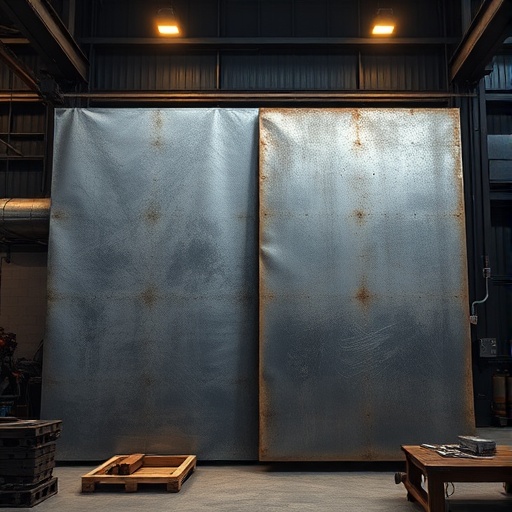
The zinc layer on galvanized steel acts as both a physical barrier and a sacrificial anode. When moisture reaches the surface, zinc corrodes preferentially and releases electrons that protect the underlying steel from rust. Even small coating breaches heal through this mechanism until the zinc depletes. Hot-dip coatings typically last 20 to 50 years depending on environment and thickness. Rural air extends life, while coastal salt spray accelerates zinc loss. Fabricators apply additional paints over galvanized surfaces to further reduce corrosion rates in aggressive settings. This dual protection makes galvanized steel a practical choice for bridges, guardrails, and agricultural buildings where full stainless replacement would prove expensive.
Corrosion Resistance in Stainless Steel
Stainless steel resists corrosion through its chromium-rich passive film that reforms instantly after damage. In chloride-free environments the alloy performs for decades without visible degradation. Higher-alloy grades withstand pitting and crevice corrosion in marine or chemical service. Stainless steel fasteners maintain integrity in pressure vessels exposed to fluctuating temperatures and pressures. The metal rarely develops the red rust seen on unprotected carbon steel. However, certain acids or high-chloride conditions can break down the passive layer, requiring careful grade selection. Overall, stainless steel delivers superior long-term corrosion resistance compared with galvanized coatings once the zinc has been consumed.
Factors Influencing Corrosion in Various Environments
Temperature, humidity, pollutants, and mechanical damage all affect how quickly metals corrode. Galvanized steel performs well in moderate rural or industrial air but loses zinc faster near oceans or roads treated with de-icing salts. Stainless steel handles these conditions better yet can suffer stress corrosion cracking at elevated temperatures in specific chloride solutions. Design details such as drainage, ventilation, and avoidance of crevices reduce risk for both materials. Regular inspection helps identify early coating breakdown on galvanized parts or staining on stainless surfaces. Engineers factor these variables into material selection to balance initial cost against expected service life and sustainability goals.
Sustainability Considerations in Metal Selection
Environmental Impact of Steel Production
Steel production generates carbon emissions from coke reduction in blast furnaces and electricity use in electric arc furnaces. Galvanizing adds zinc mining and smelting impacts, yet the process uses less alloying energy than stainless steel. Stainless production requires chromium and nickel extraction that creates mining waste and higher embodied energy. Both metals draw from recycled scrap streams that lower overall footprints when mills increase scrap ratios. Manufacturers track these impacts through life-cycle assessments that guide buyers toward lower-emission options. Choosing the right metal reduces unnecessary resource extraction and supports broader sustainability targets in construction and manufacturing.
Recyclability of Galvanized vs. Stainless Steel
Both galvanized and stainless steel recycle readily at end of life. Steel mills accept galvanized scrap and recover zinc through specialized processes before remelting the steel. Stainless steel retains its alloy value, making it highly desirable for recycling because nickel and chromium credits offset new material costs. Collection infrastructure for structural steel and sheet metal supports high recovery rates above 90 percent in many regions. Recycled content in new galvanized or stainless products reduces demand for virgin ores. Projects that specify high-recycled-content metals strengthen circular economy loops and cut landfill volumes from construction waste.
Carbon Footprint: Comparing Galvanized and Stainless Steel
Galvanized steel typically carries a lower cradle-to-gate carbon footprint because it avoids large chromium and nickel additions. Stainless steel production emits more carbon per ton largely due to alloying and refining steps. Over decades, however, stainless steel’s longer service life and zero maintenance coatings can offset higher upfront emissions. Decision makers calculate total emissions by combining production data with expected replacement cycles. When galvanized coatings require earlier replacement, cumulative carbon from multiple galvanizing runs may approach stainless levels. Accurate modeling helps industries select metals that minimize lifetime greenhouse gas releases.
Practical Applications and Performance
Weldability of Galvanized and Stainless Steel
Welding galvanized steel releases zinc fumes that require ventilation and respiratory protection. The zinc coating burns away near the weld, leaving the joint vulnerable to corrosion unless workers apply zinc-rich paints afterward. Stainless steel welds demand precise heat control to preserve corrosion resistance and avoid carbide precipitation. Proper filler metals and shielding gases produce strong, corrosion-resistant joints in stainless. Both materials accept laser cutting before welding, yet post-weld treatments differ. Fabricators weigh these handling requirements when comparing galvanized steel vs stainless steel for assemblies that need extensive joining.
Best Uses for Galvanized Steel
Galvanized steel excels in applications where cost and moderate corrosion protection align. Builders use it for highway guardrails, grain silos, and electrical transmission towers. Roofing and siding panels benefit from the coating’s sacrificial action in rural and suburban climates. Automotive frames and truck bodies rely on galvanized sheet metal for dent resistance and rust prevention. The material also suits temporary structures and agricultural equipment that face abrasion and weather. When projects prioritize low initial cost and acceptable longevity, galvanized steel delivers practical performance without the premium of stainless alloys.
Advantages of Stainless Steel in Pressure Vessels and Fasteners
Stainless steel pressure vessels maintain structural integrity under high pressure and temperature while resisting internal corrosion from process fluids. The passive film prevents contamination that could affect product purity in food or pharmaceutical tanks. Stainless fasteners resist galling and maintain preload in corrosive atmospheres where galvanized bolts would rust and seize. Marine hardware, chemical piping, and offshore platforms use stainless grades for reliability. Although initial prices exceed galvanized options, reduced inspection and replacement costs justify the investment in critical service. These advantages support stainless steel selection when safety and uptime drive material decisions.
Cost Analysis: Prices and Value Over Time
Initial Costs of Galvanized vs. Stainless Steel
Galvanized steel prices remain lower per ton because the base material is carbon steel plus a zinc coating. Stainless steel commands premiums driven by alloy content and processing complexity. Sheet metal buyers often see galvanized coils cost 30 to 50 percent less than equivalent stainless grades. Project budgets for large structures favor galvanized steel when appearance and extreme corrosion resistance are secondary. Stainless steel carries higher upfront prices yet offers immediate benefits in environments that would destroy galvanized coatings quickly. Cost comparisons must include fabrication differences such as welding precautions and finishing steps.
Long-term Value and Maintenance Considerations
Galvanized steel may require periodic inspection and touch-up painting once the zinc layer thins. Stainless steel typically needs only occasional cleaning to maintain appearance and passive film integrity. Over 30-year service lives, stainless structures often incur lower total ownership costs despite higher initial prices. Galvanized components in mild environments can match stainless longevity at lower cost. Maintenance crews track coating thickness on galvanized parts and plan replacements accordingly. Life-cycle costing reveals which metal delivers better value when downtime, labor, and disposal expenses enter the equation.
How Prices Affect Industry Choices in Metal Selection
Volatile alloy surcharges and zinc prices influence buying decisions across the metal industry. Contractors lock in galvanized steel prices for infrastructure bids where margins stay tight. Specialty fabricators accept stainless steel premiums for pressure vessels and fasteners when performance specifications demand it. Market shifts toward sustainability reporting push some buyers to evaluate total environmental costs alongside purchase prices. Transparent pricing data helps procurement teams compare galvanized steel vs stainless steel on equal footing. Ultimately, informed choices balance immediate budgets against durability, recyclability, and regulatory requirements that shape long-term project success.
See Also
- Exploring the Weldability of Galvanized Steel and Stainless Steel
- Stainless Steel vs Galvanized Steel Assessing Cost and Performance
- Choosing Between Galvanized Steel and Stainless Steel for Your Next Project
- From Rust to Resilience A Deep Dive into Galvanized and Stainless Steel
- Galvanized Steel vs Stainless Steel Which One Lasts Longer?